
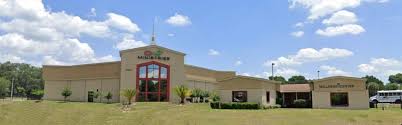
ORLANDO, FL – Churches in Orlando may soon be able to offer affordable housing. A program proposed by Orange County seeks to use unused church property to help solve the housing crisis in the region.
Rent in Orlando continues to rise, which leaves more families susceptible to housing insecurities. “Things are expensive, and it’s difficult,” Bishop R. Keith Hicks of Orlando West Ministries tells the press. “A lot of residents are being pushed out of their homes.”

The latest proposal by Orange County would allow churches to partner with developers to build affordable housing on church land. “My initial reaction is excitement, positive vibes, hope,” Bishop Hicks shares. “I believe that we can make a change, do some things in this community that give our residents hope and belief.”
Orlando West Ministries is one of several churches that owns large plots of unused land. The proposed measure would allow places of worship to cut through some of the red tape that slows down the process of building affordable housing. The local government itself, however, is committed to staying out of brokering agreements between churches and developers.
“This is really going to be privately driven,” says Nicolas Thalmueller, Planning Administrator for Orange County. “The way it’s structured is to allow for partnerships between those traditional affordable housing developers and the religious institutions that own the land.”

“So, it’s going to be project to project, what type of funding and financing resources are available, obviously through the county’s affordable housing trust fund and other programs.”
The county administrator admits the proposal cannot cure all the housing issues Orlando residents face. The measure could, however, provide more options for affordable living in the city.
Officials say the proposal could go to the County Commission for consent as early as March 2026. Thalmueller plans to enforce limitations to the program.
“Our expert staff is going to be reviewing these projects, assuring that everything is designed and built to fit in kind of compatibility with existing neighborhoods,” Thalmueller tells the press. “They’re still going to have to go through the steps to address some of the infrastructure concerns just like any other type of development.”